Three fictional examples of clarifying questions and confirming arrangements.
01Example, not a real customer
Preparing for a health-check enquiry
City of origin
Sydney
What they wanted to understand
An illustrative visitor asks about health-check appointments, language support and collecting reports. The first enquiry contains general questions, with no medical records uploaded.
How coordination would work
A coordinator organises topics and preferred contact times, then asks an example provider about reception channels, preparation and written confirmations. The provider decides whether any checks are appropriate.
Illustrative arrangements
The process produces a checklist for confirmation: the provider explains appointment and report arrangements, and the visitor reviews the information before deciding what to do next.
02Example, not a real customer
Asking about a specialist discussion
City of origin
Auckland
What they wanted to understand
An illustrative visitor asks about specialist contact channels, English-language support, existing documents and whether an initial online discussion of the process is available.
How coordination would work
The coordinator summarises general needs, asks an example provider about department contacts, document channels and available times, and records each point requiring provider confirmation.
Illustrative arrangements
The illustrative visitor receives contact channels, preparation points and times awaiting confirmation. They may continue or pause the enquiry; this process does not create a clinical booking.
03Example, not a real customer
Planning practical details with family
City of origin
Melbourne
What they wanted to understand
An illustrative visitor plans to travel with family and asks about hospital contact, transport near accommodation and time to rest. Only a city and general preferences are recorded.
How coordination would work
The coordinator asks an example medical provider and an example travel provider about their separate responsibilities, preparing two lists covering language, companions and transport preferences.
Illustrative arrangements
Separate medical-contact and practical-planning checklists are prepared. The visitor considers them only after each provider confirms addresses, times and service scope.
Partner hospital
Nanchang Huarui Hospital
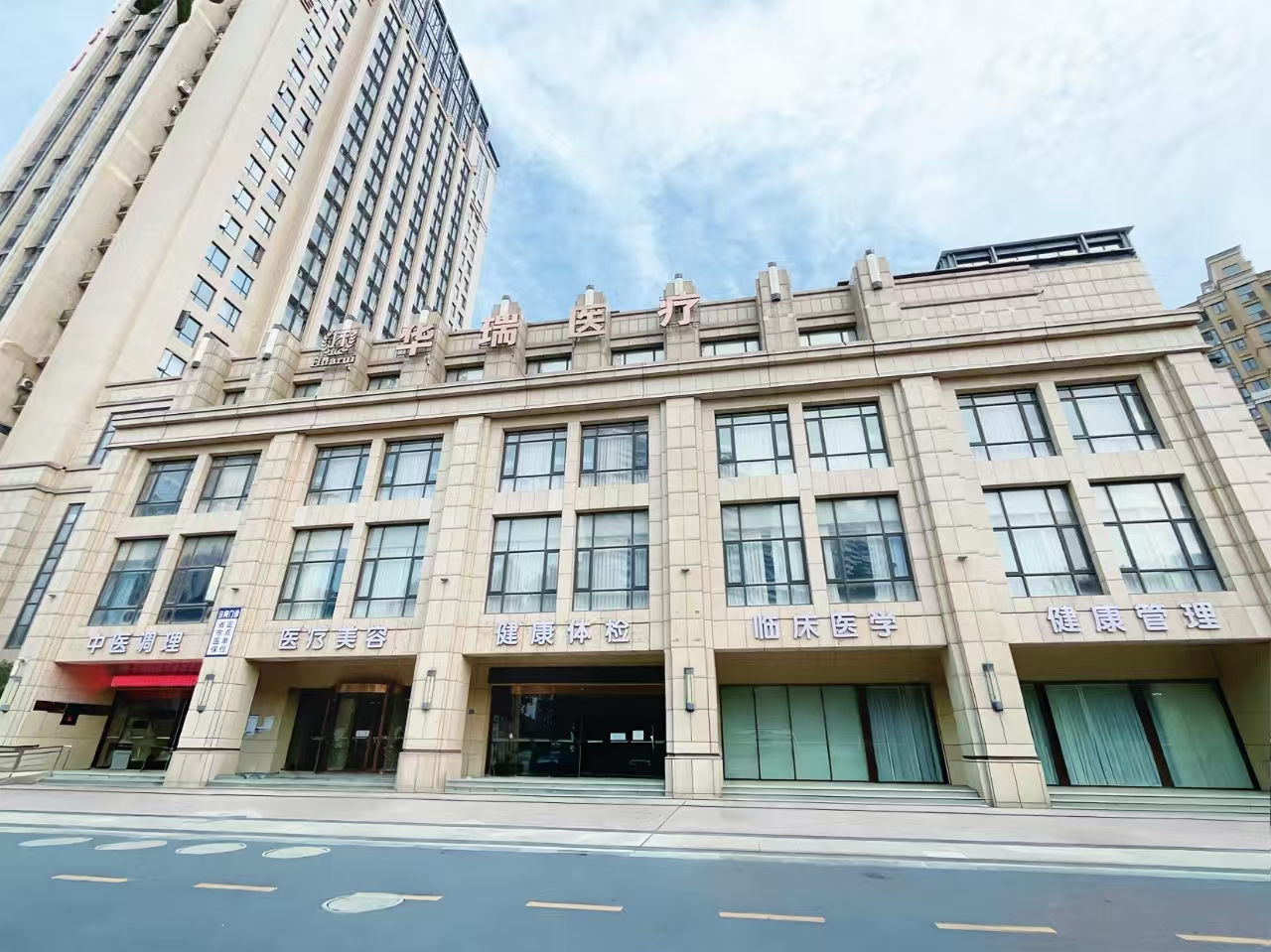
Nanchang Huarui Hospital is a medical institution within Huarui Medical. Founded by Shi Xijie and situated beside the Gan River, Huarui Medical brings together hospital care, medical aesthetics, health examinations and health management, with services covering consultations, examinations, assessments and health management.
Huarui Medical also includes its medical aesthetics, health examination and health management services, together with the Diebian Yuemei chain of directly operated technology-based skin care centres. The hospital and these services form a healthcare complex that brings different medical and health needs together.
Founder and team
Founder Shi Xijie graduated from Zhongshan Medical University in Guangzhou and has worked in medical aesthetics for more than thirty years. He leads the medical aesthetics team. Huarui Medical Aesthetics combines clinical work, research and academic exchange, with attention to individual needs and discussions about aesthetic care plans.
The organisation values professional practice, integrity, individual needs and continuous improvement. Its approach emphasises conversations about personal health needs and the connection between medical services and health management.
Healthcare complex and hospital spaces
The Huarui Medical healthcare complex occupies more than 11,000 square metres in a six-storey building owned by the organisation. This figure covers the complex as a whole, including the hospital and related services. Its spaces include inpatient accommodation, operating rooms and health examination areas; the examination area alone covers more than 4,000 square metres.
Medical and examination equipment
The equipment listed includes a GE 1.5T MRI system, a GE520 spiral CT system, a GE full-field digital mammography system, robotic capsule gastroscopy and Olympus CV-290 equipment. The range covers imaging and gastrointestinal examination services. Specific examinations and arrangements can be discussed when making an enquiry.
Health examinations and assessment
Huarui Health Examinations focuses on early tumour screening and assessments of suboptimal health. Its work combines examinations, health assessment and health management. The examination area of more than 4,000 square metres includes examination equipment and departments supporting assessment services for different health needs.
Medical aesthetics departments and services
Huarui Medical Aesthetics has four areas of practice: aesthetic surgery, aesthetic skin care, hair care and intimate aesthetics. Its services include plastic surgery, revision of previous procedures, skin aesthetics, minimally invasive aesthetic procedures and aesthetic appearance planning.
Listed areas include facial and body contouring using the individual's own fat, pigmentation and skin concerns, birthmarks and haemangiomas, cleft lip and palate repair, and hair care and transplantation. Individuals can discuss the areas they are concerned about, previous procedures and the services they would like to understand with the hospital.
Health management services
Huarui Health Management brings together health examinations, health management and consultations with clinicians, with attention to health needs at different stages of life. Its services include assessment related to an RMD biofeedback system. Clients can ask about the assessment content, reports and subsequent health management arrangements.
Areas covered by the health programme handbook
The health programme handbook covers RMD health assessment, non-invasive brain-computer interface services for neurological care, blood purification, knee care and traditional Chinese medicine rehabilitation. The RMD entry includes a health assessment report and wellbeing guidance. The brain-computer interface entry concerns neurological services, while the blood purification entry describes extracorporeal procedures and a choice of domestically produced or imported filter consumables.
The knee care entry includes MRI assessment and procedures involving autologous PRF material. The traditional Chinese medicine rehabilitation section lists acupuncture, moxibustion, massage and manual techniques, cupping, gua sha, herbal medicine and guided exercises. It discusses care in contexts such as neck, shoulder, lower back and leg pain, musculoskeletal injuries, chronic conditions and rehabilitation.